
Longevity Thrive
update
Longevity Thrive
Thriving Health For Thriving Life
update
  • Home
  • Categories
    • Cell Renewal
    • Telomere Science
    • Supplement Guide
    • Diet Protocols
    • Expert Insights
    • Biohacking Tips
    • Research Updates
November 22.2026
4 Minutes Read

How Mutant p53 Changes the Game: Insights into Cancer Cell Migration and Longevity

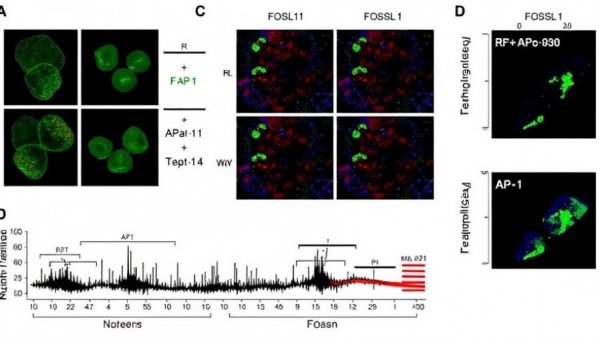
Spatial reprogramming of AP-1 complexes by mutant p53 flips the transcriptional output of the FOSL1 enhancer-promoter axis to drive migration

Understanding the Role of p53 in Cancer Development

The guardian of the genome, p53, plays a critical role in protecting cells from deterioration and malignancy. When functioning correctly, this tumor suppressor can halt damaged cell replication and, ultimately, trigger apoptosis—cell death. However, in a twist of fate, mutations in the p53 gene can lead to an oncogenic gain-of-function (GOF), transforming it from a protector to a facilitator of cancer progression.

What Happens When p53 Mutates?

As detailed in the recent study by researchers at the Tianjin Institute of Medical and Pharmaceutical Sciences, the mutation of p53 does more than just cancel its protective duties. This study highlighted how mutant p53 reprograms AP-1 transcriptional complexes, essentially flipping the switch on cellular mechanisms that lead to epithelial-mesenchymal transition (EMT)—a process crucial for cancer metastasis. It’s akin to having a fire alarm that, instead of alerting you to flames, ignites them.

The FOSL1 Enhancer-Promoter Axis: A Key Player

At the heart of this malfunction is the FOSL1 enhancer-promoter axis. In healthy cells, wild-type p53 acts as a restraining force, forming complexes that repress the expression of FRA1, an important protein in the EMT process. With mutp53 at the helm, however, the switches are flipped, activating a self-reinforcing loop that not only increases FRA1 expression but drives cancer cells toward aggressive migratory behaviors. This mechanistic shift elucidates a crucial pathway through which cancers can become more invasive.

The Mechanism of Transcriptional Reprogramming

The research illustrates that the wild-type p53 binds with c-JUN and ATF2 at specific regions known as cAMP response elements (CREs) within the FOSL1 intron. This binding results in the silencing of the FRA1 gene, thereby suppressing EMT and reducing the invasiveness of cancer cells. Contrastingly, when p53 is mutated, it severs those repressive connections and redirects transcriptional activity towards TPA response elements (TREs), promoting not just an increase in FOSL1 expression but thus also enhancing the migratory potential of tumor cells. In simpler terms, mutp53 changes the way genes are expressed, like switching from a symphony to a chaotic rock concert—but in this case, the chaos fuels cancer growth.

The Implications for Cancer Treatment

Understanding the intricacies of how mutp53 manipulates the transcriptional landscape gives researchers valuable insights into potential therapeutic strategies. By selectively targeting the oncogenic AP-1 complexes activated by mutp53, scientists could devise treatments that either curb cancer’s aggressive spread or prevent escalation at the cellular level. It’s a promising avenue for those caught in the relentless grip of malignancies driven by this mutated gene.

Broader Context: Linking Mutated Genes to Longevity Research

The findings extend beyond the immediate context of cancer research into the realm of longevity and healthspan optimization. Anti-aging science increasingly focuses on understanding how genetic mutations not only impact diseases but are linked to the aging process. In essence, the damage caused by such mutations might play a significant role in how cells age and function, drawing parallels with health protocols aimed at extending life and promoting wellness.

For health-conscious individuals, this research underscores the importance of continuous advancements in cellular health and genetic understanding. As we seek to enhance our healthspan—the period in which we are functionally healthy—it’s vital to remain informed about the latest findings in cancer and aging research. After all, knowledge is one of the most powerful supplements in our lifelong journey to vitality.

The Role of Lifestyle Choices in Reducing Cancer Risk

While understanding the genetic and molecular mechanisms underpinning cancer is crucial, bridging this knowledge with daily lifestyle choices can empower individuals to take actionable steps towards health. Evidence suggests that diets rich in fruits and vegetables, regular physical activity, and stress management techniques can help bolster one’s defenses against various diseases, including cancer. Maintaining a balanced diet, for instance, provides essential nutrients that may help regulate gene expression and support overall cellular health, potentially counteracting some effects of harmful mutations.

Take Action: Join the Movement Towards Better Health

As insights into p53 and its mutant forms unfold, consider how you can work toward enhancing your health through evidence-based strategies. Whether it’s through mindful nutrition, consistent exercise, or staying informed about cutting-edge health research, each small change contributes to a longer, healthier life. Remember, every effort adds up in the quest for longevity—let’s not just live longer, but live better!

Additionally, staying engaged with community health initiatives and supporting cancer research can play significant roles in advancing treatment and prevention strategies. Each action, no matter how small, contributes to a larger movement aimed at combating cancer and promoting wellness for future generations.
Cell Renewal

1 Views

0 Comments

Write A Comment

*
*
Please complete the captcha to submit your comment.
Related Posts All Posts
11.21.2026

Craniosynostosis, Stem Cell Therapy, and AI: Redefining Regenerative Medicine

Update Understanding Craniosynostosis: The Hidden Challenge of Early Suture FusionCraniosynostosis, a condition where one or more cranial sutures fuse prematurely, presents a unique challenge for pediatric neurosurgeons. While the statistic of 1 in 2,100-2,500 live births may seem small, the implications for affected infants can be profound. The incomplete understanding of its causes and the rising prevalence documented over recent decades underscores the necessity for deeper investigation into this congenital anomaly. Clinical consequences extend beyond mere aesthetic concerns, with children facing potential psychosocial and neurodevelopmental disorders associated with elevated intracranial pressure and restricted skull growth.From Passive Bindings to Dynamic Niches: The Role of Stem Cells in SuturesRecent research has dramatically shifted the perspective on cranial sutures, portraying them as dynamic stem cell niches rather than mere passive joints. Within this context, specific stem cell populations, identified by markers such as Gli1, Axin2, and Prrx1, are critical for maintaining calvarial bone homeostasis. Understanding how these stem cells are regulated—and disrupted—in craniosynostosis could open new avenues in regenerative medicine. By leveraging advancements in single-cell RNA sequencing and other multi-omics technologies, researchers are elucidating the intricate cellular architecture of these niches and establishing connections to craniosynostosis mechanisms.The Transformative Power of AI and Multi-OmicsThe integration of artificial intelligence (AI) with multi-omics approaches marks a significant turning point in understanding craniosynostosis. Machine learning models enable the analysis of extensive datasets—such as those generated through spatial transcriptomics and chromatin accessibility mapping—to uncover mechanistic insights. This intersection of technology and biology is not only facilitating more precise phenotyping and diagnosis but also paving the way for innovative treatments. For example, AI-assisted biomarker discovery has the potential to refine patient screening processes, while deep learning methods can autonomously generate hypotheses for experimental validation, further promoting regenerative strategies.From Labs to Bedside: Stem Cell Innovations in TreatmentThe translational potential of stem cell research in the context of craniosynostosis is profound. Initiatives exploring stem cell-based suture regeneration, combined with biomaterials tuning for better niche engineering, signal an exciting trajectory towards novel therapeutic interventions. Patient-derived induced pluripotent stem cells (iPSCs) are being utilized in disease modeling, allowing for a more personalized approach to treatment. Such innovations are crucial, as they aim to address the root causes of craniosynostosis while also tackling the associated symptoms.Ethical and Practical Challenges AheadDespite the promise of these advancements, significant challenges remain. Issues surrounding model interpretability and cross-species applicability are critical for ensuring that findings translate effectively from the lab to clinical settings. Establishing data standards and validating AI-derived predictions through experimental methods are essential steps to enhance trust in these innovative approaches. As the landscape of craniosynostosis treatment evolves, active consideration of these challenges will be crucial in navigating the path toward successful regenerative therapies.Conclusion: Toward a Future of Enhanced Cellular HealthAs we explore the complex interplay between craniosynostosis and its associated stem cell processes through multi-omics and AI technologies, we unlock broader insights into cellular health and rejuvenation. Understanding these biological mechanisms serves not just the field of pediatric neurosurgery but provides valuable perspectives on aging and cellular repair applicable to a wider audience seeking long-term vitality. Ongoing research into cellular health and the pivotal role of stem cells in regenerative medicine continues to represent a beacon of hope for enhanced quality of life.

11.21.2026

G3BP1: The Key Protein Linking Liver Fibrosis to Healthspan Optimization

Update The Unseen Catalyst of Liver Fibrosis: Understanding G3BP1Recent research highlights the significant role of Ras GTPase-activating protein-binding protein 1 (G3BP1) in the activation of hepatic stellate cells (HSC) and the progression of liver fibrosis. This connection, primarily identified through studies on liver specimens from patients and murine models, indicates that G3BP1 levels surge in fibrotic conditions. This finding suggests that it could be much more than just a biomarker—it’s a critical player in disease mechanisms. Understanding this protein's functions could shine a light on novel ways to prevent or improve liver-related diseases.G3BP1 and the Dance of Cellular MachineryG3BP1 isn’t just hanging out in our cells; it actively promotes HSC activation in various cell cultures, like human LX-2 cells and primary mouse HSCs. Research shows that when G3BP1 is genetically removed, the activation and fibrosis processes are significantly dampened. This raises an exciting question: could targeting G3BP1 be a novel therapeutic approach to combat liver fibrosis? This potential intervention could pave the way for an entire class of effective treatments aimed at a condition that currently affects millions globally, from moderate liver fat accumulation to end-stage liver disease.How Alternative Splicing Plays a RoleOne of the most fascinating aspects of G3BP1’s action is its involvement in the alternative splicing of coat protein complex I (COPI) subunits. This occurs through its functional relationship with the splicing factor hnRNPM. The result? The production of certain COPI isoforms that disrupt COPI-dependent retrograde transport. The malfunction of this transport pathway creates endoplasmic reticulum (ER) stress—a cellular crisis that signals for HSC activation and, ultimately, fibrogenesis. For those who aren’t biology buffs, think of this as a traffic jam in your cellular highway—too many cars (or proteins) trying to go nowhere. The impact of this congestion can be detrimental, leading to increased inflammation and scar tissue formation in the liver.Key Insights: Implications for Wellness and HealthspanUnderstanding how G3BP1 fuels cellular machinery provides us with pivotal insights for health optimization. This connection between G3BP1, fibrosis, and ER stress opens new avenues for biohacking and disease prevention strategies. For health-conscious individuals keen on improving their longevity and cellular health, integrating the latest findings about proteins like G3BP1 into your wellness arsenal could prove essential. Think of it as adding an extra layer of protection against the wear and tear of aging and disease. In everyday terms, backing your health initiatives with science-based knowledge keeps you not just informed but also continually engaged in your personal wellness journey.G3BP1's Role in Long-Term HealthThe implications of G3BP1 extend beyond just liver health. Since the liver plays an integral role in numerous bodily functions—ranging from detoxification to metabolism—the activation of HSCs could have ripple effects on overall health. For instance, chronic liver fibrosis can lead to cirrhosis, a condition that significantly compromises your body’s ability to function well. As such, monitoring and intervening in G3BP1 pathways might serve as a preventive approach, potentially diminishing the likelihood of multiple health issues connected to liver dysfunction. Addressing liver health proactively also aligns with a broader trend in medicine emphasizing prevention over treatment.Pharmacological Insights: Could There Be a Silver Bullet?Interestingly, studies suggest that pharmacologically intervening in the G3BP1/SRPK1/hnRNPM pathway could potentially improve liver fibrosis. This means that if researchers can harness the findings of G3BP1’s role in alternative splicing, it could lead to the development of new treatments to alleviate liver disease. For the wellness-oriented among us, staying updated on these advancements could mean tuning into a new revolution in anti-aging strategies. Imagine being part of the first wave to adapt personalized medicine rooted in genetic understanding—how exciting is that! Given the rapid advancements in biotechnology, it is reasonable to expect that tailored therapies could soon be available.Exploring Practical Ways to Optimize Liver HealthWhile the research on G3BP1 is promising, it’s essential to incorporate practical strategies into your daily routine that support liver health. Regular exercise and a balanced diet rich in antioxidants can help promote optimal liver function. Foods such as leafy greens, berries, and nuts are great choices that may protect against oxidative stress, in turn possibly influencing G3BP1 levels favorably. Additionally, hydrating sufficiently is often overlooked but is crucial in aiding liver detoxification processes. Moreover, avoiding excessive alcohol consumption and keeping your weight in check are tried-and-true methods for maintaining a healthy liver. Another tip? Consider integrating herbal options like milk thistle into your routine, as some preliminary studies suggest they might offer liver-supporting benefits.Call to Action: Stay Ahead with Cutting-Edge Health InsightsAs we explore the vast landscapes of health science, understanding emerging research about proteins like G3BP1 can empower you to make informed decisions about your health strategies. To dive deeper into how such discoveries could impact your longevity or the longevity of loved ones, keep following research updates and expert insights. Embrace biohacking with an informed mindset to optimize your healthspan. Engaging with your health community, whether that’s through forums, workshops, or consultations, can also offer support and shared knowledge, facilitating a more holistic approach to wellness. Approaching your health with curiosity and a proactive attitude fosters a culture of preventative care—an approach that typically leads to richer, more vibrant living.

11.20.2026

Unlocking the Connection: How Cardiovascular Health Influences Cognitive Decline

Update Understanding the Interconnection Between Cardiovascular Health and Cognitive Function The relationship between cardiovascular disease (CVD) and cognitive decline has garnered considerable attention in recent years, especially as the global population ages. With more than 2 billion people expected to be over the age of 60 by 2050, understanding how these two health issues interrelate is crucial for public health strategies and personal health planning. Research indicates that the underlying mechanisms linking CVD and cognitive decline—such as vascular health, inflammatory responses, and metabolic dysfunction—contribute to a shared pathophysiology that exacerbates both conditions. The Role of Apolipoproteins and Sirtuins in Aging Apolipoproteins, particularly apolipoprotein E (ApoE), play a pivotal role in lipid metabolism and neuronal health. Genetic variations in ApoE can influence the risk of developing Alzheimer’s disease, thus linking cardiovascular risk factors with cognitive outcomes. Simultaneously, sirtuins—proteins involved in cellular regulation and metabolic functions—have emerged as crucial players in the aging process. Sirtuins 1 to 6 are particularly noteworthy as they promote cellular repair and protect against oxidative stress, both of which are vital for maintaining neuronal integrity and cardiovascular health. Non-Coding RNAs: The Emerging Regulators of Health Recent studies have spotlighted non-coding RNAs, which include microRNAs and circular RNAs, as significant regulators in the interplay of various cellular processes. These molecules influence gene expression related to inflammation and cellular repair, providing a potential therapeutic avenue for addressing both cardiovascular and cognitive health deterioration. Exploring how non-coding RNA profiles change with age, and under conditions of stress or disease, could illuminate new diagnostic markers and treatment targets. Innovative Therapeutic Strategies and Future Directions Considering the multifaceted nature of CVD and cognitive decline, effective treatments are not one-size-fits-all. Innovative strategies, such as stem cell therapy and the application of NAD+ boosters, demonstrate promise in enhancing cellular repair mechanisms and reversing senescence. Understanding how these therapies can augment mitochondrial function and enhance autophagy—the body’s waste removal process—opens avenues for advanced regenerative medicine. Tailored interventions based on individual metabolic profiles could revolutionize treatment paradigms. The Importance of Early Diagnosis and Personalized Approaches With advancements in artificial intelligence and machine learning, there is potential for developing sophisticated diagnostic tools that can detect early signs of disease progression linked to both cardiovascular conditions and cognitive decline. Utilizing systems biology to unravel these complex networks could lead to personalized medicine approaches that are responsive to the unique biochemical noise present in each patient, allowing for better-targeted therapeutic interventions. Conclusion: Taking Charge of Your Health for the Future As health-conscious individuals interested in maintaining vitality, understanding the connections between cardiovascular health, cognitive function, and cellular rejuvenation is pivotal. Strategies that enhance mitochondrial function and cellular repair through lifestyle modifications and advanced therapies can significantly impact aging processes. For continued learning on maintaining your youthful energy and health, consider exploring options in regenerative medicine and cellular health strategies. Embrace this journey not just as a means to counteract aging, but as a proactive step towards a healthier future.

cropper
update
Longevity Thrive
cropper
update

Longevity Thrive empowers individuals with science-backed insights, expert advice, and practical tools to optimize health, wellness, and longevity.

  • update
  • update
  • update
  • update
  • update
  • update
  • update
UPDATE

ABOUT US

Longevity Thrive is a media platform dedicated to providing science-backed insights, practical strategies, and the latest trends in health, wellness, and longevity. It empowers individuals to optimize their healthspan and live vibrant, fulfilling lives.

© 2026 Longevity Thrive All Rights Reserved. Harp Island Close, London, Brent NW100DF . Contact Us . Terms of Service . Privacy Policy

eyJjb21wYW55IjoiTG9uZ2V2aXR5IFRocml2ZSIsImFkZHJlc3MiOiJIYXJwIElzbGFuZCBDbG9zZSIsImNpdHkiOiJMb25kb24iLCJzdGF0ZSI6IkJyZW50IiwiemlwIjoiTlcxMDBERiIsImVtYWlsIjoibG9yZW5hc0BnZXRtaWxlcmlzbWFya2V0aW5nLmNvbSIsInRvcyI6IlBIQStQSE4wY205dVp6NDhaVzArVjJobGJpQjViM1VnYzJsbmJpMXBiaUIzYVhSb0lIVnpMQ0I1YjNVZ1lYSmxJR2RwZG1sdVp5WnVZbk53T3lCNWIzVnlJSEJsY20xcGMzTnBiMjRnWVc1a0lHTnZibk5sYm5RZ2RHOGdjMlZ1WkNCNWIzVWdaVzFoYVd3Z1lXNWtMMjl5SUZOTlV5QjBaWGgwSUcxbGMzTmhaMlZ6TGlCQ2VTQmphR1ZqYTJsdVp5QjBhR1VnVkdWeWJYTWdZVzVrSUVOdmJtUnBkR2x2Ym5NZ1ltOTRJR0Z1WkNCaWVTQnphV2R1YVc1bklHbHVJSGx2ZFNCaGRYUnZiV0YwYVdOaGJHeDVJR052Ym1acGNtMGdkR2hoZENCNWIzVWdZV05qWlhCMElHRnNiQ0IwWlhKdGN5QnBiaUIwYUdseklHRm5jbVZsYldWdWRDNDhMMlZ0UGp3dmMzUnliMjVuUGp3dmNENEtDanh3UGp4aElHaHlaV1k5SW1oMGRIQTZMeTkzZDNjdVoyOXZaMnhsTG1OdmJTSSthSFIwY0RvdkwzZDNkeTVuYjI5bmJHVXVZMjl0UEM5aFBqd3ZjRDRLQ2p4d1BpWnVZbk53T3p3dmNENEtDanh3UGp4emRISnZibWMrVTBWU1ZrbERSVHd2YzNSeWIyNW5Qand2Y0Q0S0NqeHdQbGRsSUhCeWIzWnBaR1VnWVNCelpYSjJhV05sSUhSb1lYUWdZM1Z5Y21WdWRHeDVJR0ZzYkc5M2N5QjViM1VnZEc4Z2NtVmpaV2wyWlNCeVpYRjFaWE4wY3lCbWIzSWdabVZsWkdKaFkyc3NJR052YlhCaGJua2dhVzVtYjNKdFlYUnBiMjRzSUhCeWIyMXZkR2x2Ym1Gc0lHbHVabTl5YldGMGFXOXVMQ0JqYjIxd1lXNTVJR0ZzWlhKMGN5d2dZMjkxY0c5dWN5d2daR2x6WTI5MWJuUnpJR0Z1WkNCdmRHaGxjaUJ1YjNScFptbGpZWFJwYjI1eklIUnZJSGx2ZFhJZ1pXMWhhV3dnWVdSa2NtVnpjeUJoYm1RdmIzSWdZMlZzYkhWc1lYSWdjR2h2Ym1VZ2IzSWdaR1YyYVdObExpQlpiM1VnZFc1a1pYSnpkR0Z1WkNCaGJtUWdZV2R5WldVZ2RHaGhkQ0IwYUdVZ1UyVnlkbWxqWlNCcGN5QndjbTkyYVdSbFpDQW1jWFZ2ZER0QlV5MUpVeVp4ZFc5ME95QmhibVFnZEdoaGRDQjNaU0JoYzNOMWJXVWdibThnY21WemNHOXVjMmxpYVd4cGRIa2dabTl5SUhSb1pTQjBhVzFsYkdsdVpYTnpMQ0JrWld4bGRHbHZiaXdnYldsekxXUmxiR2wyWlhKNUlHOXlJR1poYVd4MWNtVWdkRzhnYzNSdmNtVWdZVzU1SUhWelpYSWdZMjl0YlhWdWFXTmhkR2x2Ym5NZ2IzSWdjR1Z5YzI5dVlXeHBlbUYwYVc5dUlITmxkSFJwYm1kekxqd3ZjRDRLQ2p4d1BsbHZkU0JoY21VZ2NtVnpjRzl1YzJsaWJHVWdabTl5SUc5aWRHRnBibWx1WnlCaFkyTmxjM01nZEc4Z2RHaGxJRk5sY25acFkyVXNJR0Z1WkNCMGFHRjBJR0ZqWTJWemN5QnRZWGtnYVc1MmIyeDJaU0IwYUdseVpDMXdZWEowZVNCbVpXVnpJQ2h6ZFdOb0lHRnpJRk5OVXlCMFpYaDBJRzFsYzNOaFoyVnpMQ0JKYm5SbGNtNWxkQ0J6WlhKMmFXTmxJSEJ5YjNacFpHVnlJRzl5SUdObGJHeDFiR0Z5SUdGcGNuUnBiV1VnWTJoaGNtZGxjeWt1SUZsdmRTQmhjbVVnY21WemNHOXVjMmxpYkdVZ1ptOXlJSFJvYjNObElHWmxaWE1zSUdsdVkyeDFaR2x1WnlCMGFHOXpaU0JtWldWeklHRnpjMjlqYVdGMFpXUWdkMmwwYUNCMGFHVWdaR2x6Y0d4aGVTQnZjaUJrWld4cGRtVnllU0J2WmlCbFlXTm9JRk5OVXlCMFpYaDBJRzFsYzNOaFoyVWdkMlVnYzJWdVpDQjBieUI1YjNVdUlFbHVJR0ZrWkdsMGFXOXVMQ0I1YjNVZ2JYVnpkQ0J3Y205MmFXUmxJR0Z1WkNCaGNtVWdjbVZ6Y0c5dWMybGliR1VnWm05eUlHRnNiQ0JsY1hWcGNHMWxiblFnYm1WalpYTnpZWEo1SUhSdklHRmpZMlZ6Y3lCMGFHVWdVMlZ5ZG1salpTQmhibVFnY21WalpXbDJaU0IwYUdVZ1UwMVRJSFJsZUhRZ2JXVnpjMkZuWlhNdUlGZGxJR1J2SUc1dmRDQmphR0Z5WjJVZ1lXNTVJR1psWlhNZ1ptOXlJSFJvWlNCa1pXeHBkbVZ5ZVNCdlppQmxiV0ZwYkNCdmNpQlRUVk11SUZSb2FYTWdhWE1nWVNCbWNtVmxJSE5sY25acFkyVWdkMlVnY0hKdmRtbGtaUzRnU0c5M1pYWmxjaXdnY0d4bFlYTmxJR05vWldOcklIZHBkR2dnZVc5MWNpQnBiblJsY201bGRDQnpaWEoyYVdObElIQnliM1pwWkdWeUlHRnVaQ0JqWld4c2RXeGhjaUJqWVhKeWFXVnlJR1p2Y2lCaGJua2dZMmhoY21kbGN5QjBhR0YwSUhsdmRTQnRZWGtnYVc1amRYSWdZWE1nWVNCeVpYTjFiSFFnYjJZZ2NtVmpaV2wyYVc1bklHVnRZV2xzSUdGdVpDQlRUVk1nZEdWNGRDQnRaWE56WVdkbGN5QjBhR0YwSUhkbElHUmxiR2wyWlhJZ2RYQnZiaUI1YjNWeUlHOXdkQzFwYmlCaGJtUWdjbVZuYVhOMGNtRjBhVzl1SUhkcGRHZ2diM1Z5SUdWdFlXbHNJR0Z1WkNCVFRWTWdjMlZ5ZG1salpYTXVJRmx2ZFNCallXNGdZMkZ1WTJWc0lHRjBJR0Z1ZVNCMGFXMWxMaUJLZFhOMElIUmxlSFFnSm5GMWIzUTdVMVJQVUNaeGRXOTBPeUIwYnladVluTndPenhvYVdkb2JHbG5hSFFnWTJ4aGMzTTlJbU52YlhCaGJubFRUVk5RYUc5dVpWVndaR0YwWlNJK2JuVnNiRHd2YUdsbmFHeHBaMmgwUGk0Z1FXWjBaWElnZVc5MUlITmxibVFnZEdobElGTk5VeUJ0WlhOellXZGxJQ1p4ZFc5ME8xTlVUMUFtY1hWdmREc2dkRzhnZFhNc0lIZGxJSGRwYkd3Z2MyVnVaQ0I1YjNVZ1lXNGdVMDFUSUcxbGMzTmhaMlVnZEc4Z1kyOXVabWx5YlNCMGFHRjBJSGx2ZFNCb1lYWmxJR0psWlc0Z2RXNXpkV0p6WTNKcFltVmtMaUJCWm5SbGNpQjBhR2x6TENCNWIzVWdkMmxzYkNCdWJ5QnNiMjVuWlhJZ2NtVmpaV2wyWlNCVFRWTWdiV1Z6YzJGblpYTWdabkp2YlNCMWN5NDhMM0ErQ2dvOGNENDhjM1J5YjI1blBsbFBWVklnVWtWSFNWTlVVa0ZVU1U5T0lFOUNURWxIUVZSSlQwNVRQQzl6ZEhKdmJtYytQQzl3UGdvS1BIQStTVzRnWTI5dWMybGtaWEpoZEdsdmJpQnZaaUI1YjNWeUlIVnpaU0J2WmlCMGFHVWdVMlZ5ZG1salpTd2dlVzkxSUdGbmNtVmxJSFJ2T2p3dmNENEtDanh2YkQ0S0NUeHNhVDV3Y205MmFXUmxJSFJ5ZFdVc0lHRmpZM1Z5WVhSbExDQmpkWEp5Wlc1MElHRnVaQ0JqYjIxd2JHVjBaU0JwYm1admNtMWhkR2x2YmlCaFltOTFkQ0I1YjNWeWMyVnNaaUJoY3lCd2NtOXRjSFJsWkNCaWVTQjBhR1VnVTJWeWRtbGpaU1lqTXprN2N5QnlaV2RwYzNSeVlYUnBiMjRnWm05eWJTQW9jM1ZqYUNCcGJtWnZjbTFoZEdsdmJpQmlaV2x1WnlCMGFHVWdKbkYxYjNRN1VtVm5hWE4wY21GMGFXOXVJRVJoZEdFbWNYVnZkRHNwSUdGdVpEd3ZiR2srQ2drOGJHaytiV0ZwYm5SaGFXNGdZVzVrSUhCeWIyMXdkR3g1SUhWd1pHRjBaU0IwYUdVZ1VtVm5hWE4wY21GMGFXOXVJRVJoZEdFZ2RHOGdhMlZsY0NCcGRDQjBjblZsTENCaFkyTjFjbUYwWlN3Z1kzVnljbVZ1ZENCaGJtUWdZMjl0Y0d4bGRHVXVJRWxtSUhsdmRTQndjbTkyYVdSbElHRnVlU0JwYm1admNtMWhkR2x2YmlCMGFHRjBJR2x6SUhWdWRISjFaU3dnYVc1aFkyTjFjbUYwWlN3Z2JtOTBJR04xY25KbGJuUWdiM0lnYVc1amIyMXdiR1YwWlN3Z2IzSWdkMlVnYUdGMlpTQnlaV0Z6YjI1aFlteGxJR2R5YjNWdVpITWdkRzhnYzNWemNHVmpkQ0IwYUdGMElITjFZMmdnYVc1bWIzSnRZWFJwYjI0Z2FYTWdkVzUwY25WbExDQnBibUZqWTNWeVlYUmxMQ0J1YjNRZ1kzVnljbVZ1ZENCdmNpQnBibU52YlhCc1pYUmxMQ0IzWlNCb1lYWmxJSFJvWlNCeWFXZG9kQ0IwYnlCemRYTndaVzVrSUc5eUlEeHpkSEp2Ym1jK1BITndZVzRnYzNSNWJHVTlJbU52Ykc5eU9pTkdSakF3TURBN0lqNTBaWEp0YVc1aGRHVWdlVzkxY2lCaFkyTnZkVzUwTDNCeWIyWnBiR1VnWVc1a0lISmxablZ6WlNCaGJua2dZVzVrSUdGc2JDQmpkWEp5Wlc1MElHOXlJR1oxZEhWeVpTQjFjMlVnYjJZZ2RHaGxJRk5sY25acFkyVWdLRzl5SUdGdWVTQndiM0owYVc5dUlIUm9aWEpsYjJZcExqd3ZjM0JoYmo0OEwzTjBjbTl1Wno0OEwyeHBQZ284TDI5c1Bnb0tQSEErSm01aWMzQTdQQzl3UGdvOGFHbG5hR3hwWjJoMElHTnNZWE56UFNKamIyMXdZVzU1VG1GdFpWVndaR0YwWlNJK1RHOXVaMlYyYVhSNUlGUm9jbWwyWlR3dmFHbG5hR3hwWjJoMFBqeGljaUF2UGdvOGFHbG5hR3hwWjJoMElHTnNZWE56UFNKamIyMXdZVzU1UVdSa2NtVnpjMVZ3WkdGMFpTSStTR0Z5Y0NCSmMyeGhibVFnUTJ4dmMyVXNJRXh2Ym1SdmJpd2dRbkpsYm5RZ1RsY3hNREJFUmp3dmFHbG5hR3hwWjJoMFBqeGljaUF2UGdvOGFHbG5hR3hwWjJoMElHTnNZWE56UFNKamIyMXdZVzU1VUdodmJtVlZjR1JoZEdVaVBpczBORGM0TlRZMU5UQXdNelU4TDJocFoyaHNhV2RvZEQ0OFluSWdMejRLUEdocFoyaHNhV2RvZENCamJHRnpjejBpWTI5dGNHRnVlVVZ0WVdsc1ZYQmtZWFJsSWo1c2IzSmxibUZ6UUdkbGRHMXBiR1Z5YVhOdFlYSnJaWFJwYm1jdVkyOXRQQzlvYVdkb2JHbG5hSFErIiwicHJpdmFjeSI6IlBIQStQSE4wY205dVp6NVFVa2xXUVVOWlBDOXpkSEp2Ym1jK1BDOXdQZ29LUEhBK1BITjBjbTl1Wno1VWFHVWdhVzVtYjNKdFlYUnBiMjRnY0hKdmRtbGtaV1FnWkhWeWFXNW5JSFJvYVhNZ2NtVm5hWE4wY21GMGFXOXVJR2x6SUd0bGNIUWdjSEpwZG1GMFpTQmhibVFnWTI5dVptbGtaVzUwYVdGc0xDQmhibVFnZDJsc2JDQnVaWFpsY2lCaVpTQmthWE4wY21saWRYUmxaQ3dnWTI5d2FXVmtMQ0J6YjJ4a0xDQjBjbUZrWldRZ2IzSWdjRzl6ZEdWa0lHbHVJR0Z1ZVNCM1lYa3NJSE5vWVhCbElHOXlJR1p2Y20wdUlGUm9hWE1nYVhNZ2IzVnlJR2QxWVhKaGJuUmxaUzQ4TDNOMGNtOXVaejQ4TDNBK0NnbzhjRDQ4YzNSeWIyNW5Qa2xPUkVWTlRrbFVXVHd2YzNSeWIyNW5Qand2Y0Q0S0NqeHdQanhsYlQ1WmIzVWdZV2R5WldVZ2RHOGdhVzVrWlcxdWFXWjVJR0Z1WkNCb2IyeGtJSFZ6TENCaGJtUWdhWFJ6SUhOMVluTnBaR2xoY21sbGN5d2dZV1ptYVd4cFlYUmxjeXdnYjJabWFXTmxjbk1zSUdGblpXNTBjeXdnWTI4dFluSmhibVJsY25NZ2IzSWdiM1JvWlhJZ2NHRnlkRzVsY25Nc0lHRnVaQ0JsYlhCc2IzbGxaWE1zSUdoaGNtMXNaWE56SUdaeWIyMGdZVzU1SUdOc1lXbHRJRzl5SUdSbGJXRnVaQ3dnYVc1amJIVmthVzVuSUhKbFlYTnZibUZpYkdVZ1lYUjBiM0p1WlhsekppTXpPVHNnWm1WbGN5d2diV0ZrWlNCaWVTQmhibmtnZEdocGNtUWdjR0Z5ZEhrZ1pIVmxJSFJ2SUc5eUlHRnlhWE5wYm1jZ2IzVjBJRzltSUVOdmJuUmxiblFnZVc5MUlISmxZMlZwZG1Vc0lITjFZbTFwZEN3Z2NtVndiSGtzSUhCdmMzUXNJSFJ5WVc1emJXbDBJRzl5SUcxaGEyVWdZWFpoYVd4aFlteGxJSFJvY205MVoyZ2dkR2hsSUZObGNuWnBZMlVzSUhsdmRYSWdkWE5sSUc5bUlIUm9aU0JUWlhKMmFXTmxMQ0I1YjNWeUlHTnZibTVsWTNScGIyNGdkRzhnZEdobElGTmxjblpwWTJVc0lIbHZkWElnZG1sdmJHRjBhVzl1SUc5bUlIUm9aU0JVVDFNc0lHOXlJSGx2ZFhJZ2RtbHZiR0YwYVc5dUlHOW1JR0Z1ZVNCeWFXZG9kSE1nYjJZZ1lXNXZkR2hsY2k0OEwyVnRQand2Y0Q0S0NqeHdQanh6ZEhKdmJtYytSRWxUUTB4QlNVMUZVaUJQUmlCWFFWSlNRVTVVU1VWVFBDOXpkSEp2Ym1jK1BDOXdQZ29LUEhBK1BITjBjbTl1Wno1WlQxVWdSVmhRVWtWVFUweFpJRlZPUkVWU1UxUkJUa1FnUVU1RUlFRkhVa1ZGSUZSSVFWUTZQQzl6ZEhKdmJtYytQQzl3UGdvS1BHOXNQZ29KUEd4cFBsbFBWVklnVlZORklFOUdJRlJJUlNCVFJWSldTVU5GSUVsVElFRlVJRmxQVlZJZ1UwOU1SU0JTU1ZOTExpQlVTRVVnVTBWU1ZrbERSU0JKVXlCUVVrOVdTVVJGUkNCUFRpQkJUaUFtY1hWdmREdEJVeUJKVXlaeGRXOTBPeUJCVGtRZ0puRjFiM1E3UVZNZ1FWWkJTVXhCUWt4RkpuRjFiM1E3SUVKQlUwbFRMaUFzTGlCQlRrUWdWVk1zSUVsVUppTXpPVHRUSUVOVlUxUlBUVVZTVXl3Z1JWaFFVa1ZUVTB4WklFUkpVME5NUVVsTlV5QkJURXdnVjBGU1VrRk9WRWxGVXlCUFJpQkJUbGtnUzBsT1JDd2dWMGhGVkVoRlVpQkZXRkJTUlZOVElFOVNJRWxOVUV4SlJVUXNJRWxPUTB4VlJFbE9SeXdnUWxWVUlFNVBWQ0JNU1UxSlZFVkVJRlJQSUZSSVJTQkpUVkJNU1VWRUlGZEJVbEpCVGxSSlJWTWdUMFlnVFVWU1EwaEJUbFJCUWtsTVNWUlpMQ0JHU1ZST1JWTlRJRVpQVWlCQklGQkJVbFJKUTFWTVFWSWdVRlZTVUU5VFJTQkJUa1FnVGs5T0xVbE9SbEpKVGtkRlRVVk9WQzQ4TDJ4cFBnb0pQR3hwUGsxQlMwVlRJRTVQSUZkQlVsSkJUbFJaSUZSSVFWUWdLR2twSUZSSVJTQlRSVkpXU1VORklGZEpURXdnVFVWRlZDQlpUMVZTSUZKRlVWVkpVa1ZOUlU1VVV5d2dLR2xwS1NCVVNFVWdVMFZTVmtsRFJTQlhTVXhNSUVKRklGVk9TVTVVUlZKU1ZWQlVSVVFzSUZSSlRVVk1XU3dnVTBWRFZWSkZMQ0JQVWlCRlVsSlBVaTFHVWtWRkxDQW9hV2xwS1NCVVNFVWdVa1ZUVlV4VVV5QlVTRUZVSUUxQldTQkNSU0JQUWxSQlNVNUZSQ0JHVWs5TklGUklSU0JWVTBVZ1QwWWdWRWhGSUZORlVsWkpRMFVnVjBsTVRDQkNSU0JCUTBOVlVrRlVSU0JQVWlCU1JVeEpRVUpNUlN3Z1FVNUVJQ2hwZGlrZ1FVNVpJRVZTVWs5U1V5QkpUaUJVU0VVZ1UwOUdWRmRCVWtVZ1YwbE1UQ0JDUlNCRFQxSlNSVU5VUlVRdVBDOXNhVDRLQ1R4c2FUNUJUbGtnVFVGVVJWSkpRVXdnUkU5WFRreFBRVVJGUkNCUFVpQlBWRWhGVWxkSlUwVWdUMEpVUVVsT1JVUWdWRWhTVDFWSFNDQlVTRVVnVlZORklFOUdJRlJJUlNCVFJWSldTVU5GSUVsVElFUlBUa1VnUVZRZ1dVOVZVaUJQVjA0Z1JFbFRRMUpGVkVsUFRpQkJUa1FnVWtsVFN5QkJUa1FnVkVoQlZDQlpUMVVnVjBsTVRDQkNSU0JUVDB4RlRGa2dVa1ZUVUU5T1UwbENURVVnUms5U0lFRk9XU0JFUVUxQlIwVWdWRThnV1U5VlVpQkRUMDFRVlZSRlVpQlRXVk5VUlUwZ1QxSWdURTlUVXlCUFJpQkVRVlJCSUZSSVFWUWdVa1ZUVlV4VVV5QkdVazlOSUZSSVJTQkVUMWRPVEU5QlJDQlBSaUJCVGxrZ1UxVkRTQ0JOUVZSRlVrbEJUQzQ4TDJ4cFBnb0pQR3hwUGs1UElFRkVWa2xEUlNCUFVpQkpUa1pQVWsxQlZFbFBUaXdnVjBoRlZFaEZVaUJQVWtGTUlFOVNJRmRTU1ZSVVJVNHNJRTlDVkVGSlRrVkVJRUpaSUZsUFZTQkdVazlOSUU5U0lGUklVazlWUjBnZ1QxSWdSbEpQVFNCVVNFVWdVMFZTVmtsRFJTQlRTRUZNVENCRFVrVkJWRVVnUVU1WklGZEJVbEpCVGxSWklFNVBWQ0JGV0ZCU1JWTlRURmtnVTFSQlZFVkVJRWxPSUZSSVJTQlVUMU11UEM5c2FUNEtQQzl2YkQ0S0NqeHdQanh6ZEhKdmJtYytURWxOU1ZSQlZFbFBUaUJQUmlCTVNVRkNTVXhKVkZrOEwzTjBjbTl1Wno0OEwzQStDZ284Y0Q1WlQxVWdSVmhRVWtWVFUweFpJRlZPUkVWU1UxUkJUa1FnUVU1RUlFRkhVa1ZGSUZSSVFWUWdRVTVFSUZOSVFVeE1JRTVQVkNCQ1JTQk1TVUZDVEVVZ1JrOVNJRUZPV1NCRVNWSkZRMVFzSUVsT1JFbFNSVU5VTENCSlRrTkpSRVZPVkVGTUxDQlRVRVZEU1VGTUxDQkRUMDVUUlZGVlJVNVVTVUZNSUU5U0lFVllSVTFRVEVGU1dTQkVRVTFCUjBWVExDQkpUa05NVlVSSlRrY2dRbFZVSUU1UFZDQk1TVTFKVkVWRUlGUlBMQ0JFUVUxQlIwVlRJRVpQVWlCTVQxTlRJRTlHSUZCU1QwWkpWRk1zSUVkUFQwUlhTVXhNTENCVlUwVXNJRVJCVkVFZ1QxSWdUMVJJUlZJZ1NVNVVRVTVIU1VKTVJTQk1UMU5UUlZNZ0tFVldSVTRnU1VZZ1NFRlRJRUpGUlU0Z1FVUldTVk5GUkNCUFJpQlVTRVVnVUU5VFUwbENTVXhKVkZrZ1QwWWdVMVZEU0NCRVFVMUJSMFZUS1N3Z1VrVlRWVXhVU1U1SElFWlNUMDA2UEM5d1Bnb0tQRzlzUGdvSlBHeHBQbFJJUlNCVlUwVWdUMUlnVkVoRklFbE9RVUpKVEVsVVdTQlVUeUJWVTBVZ1ZFaEZJRk5GVWxaSlEwVTdQQzlzYVQ0S0NUeHNhVDVVU0VVZ1EwOVRWQ0JQUmlCUVVrOURWVkpGVFVWT1ZDQlBSaUJUVlVKVFZFbFVWVlJGSUVkUFQwUlRJRUZPUkNCVFJWSldTVU5GVXlCU1JWTlZURlJKVGtjZ1JsSlBUU0JCVGxrZ1IwOVBSRk1zSUVSQlZFRXNJRWxPUms5U1RVRlVTVTlPSUU5U0lGTkZVbFpKUTBWVElGQlZVa05JUVZORlJDQlBVaUJQUWxSQlNVNUZSQ0JQVWlCTlJWTlRRVWRGVXlCU1JVTkZTVlpGUkNCUFVpQlVVa0ZPVTBGRFZFbFBUbE1nUlU1VVJWSkZSQ0JKVGxSUElGUklVazlWUjBnZ1QxSWdSbEpQVFNCVVNFVWdVMFZTVmtsRFJUczhMMnhwUGdvSlBHeHBQbFZPUVZWVVNFOVNTVnBGUkNCQlEwTkZVMU1nVkU4Z1QxSWdRVXhVUlZKQlZFbFBUaUJQUmlCWlQxVlNJRlJTUVU1VFRVbFRVMGxQVGxNZ1QxSWdSRUZVUVRzOEwyeHBQZ29KUEd4cFBsTlVRVlJGVFVWT1ZGTWdUMUlnUTA5T1JGVkRWQ0JQUmlCQlRsa2dWRWhKVWtRZ1VFRlNWRmtnVDA0Z1ZFaEZJRk5GVWxaSlEwVTdJRTlTUEM5c2FUNEtDVHhzYVQ1QlRsa2dUMVJJUlZJZ1RVRlVWRVZTSUZKRlRFRlVTVTVISUZSUElGUklSU0JUUlZKV1NVTkZMand2YkdrK0Nqd3ZiMncrQ2dvOGNENDhkVDVDZVNCeVpXZHBjM1JsY21sdVp5QmhibVFnYzNWaWMyTnlhV0pwYm1jZ2RHOGdiM1Z5SUdWdFlXbHNJR0Z1WkNCVFRWTWdjMlZ5ZG1salpTd2dZbmtnYjNCMExXbHVMQ0J2Ym14cGJtVWdjbVZuYVhOMGNtRjBhVzl1SUc5eUlHSjVJR1pwYkd4cGJtY2diM1YwSUdFZ1kyRnlaQ3dnSm5GMWIzUTdlVzkxSUdGbmNtVmxJSFJ2SUhSb1pYTmxJRlJGVWsxVElFOUdJRk5GVWxaSlEwVW1jWFZ2ZERzZ1lXNWtJSGx2ZFNCaFkydHViM2RzWldSblpTQmhibVFnZFc1a1pYSnpkR0Z1WkNCMGFHVWdZV0p2ZG1VZ2RHVnliWE1nYjJZZ2MyVnlkbWxqWlNCdmRYUnNhVzVsWkNCaGJtUWdaR1YwWVdsc1pXUWdabTl5SUhsdmRTQjBiMlJoZVM0OEwzVStQQzl3UGdvS1BIQStKbTVpYzNBN1BDOXdQZ284YUdsbmFHeHBaMmgwSUdOc1lYTnpQU0pqYjIxd1lXNTVUbUZ0WlZWd1pHRjBaU0krVEc5dVoyVjJhWFI1SUZSb2NtbDJaVHd2YUdsbmFHeHBaMmgwUGp4aWNpQXZQZ284YUdsbmFHeHBaMmgwSUdOc1lYTnpQU0pqYjIxd1lXNTVRV1JrY21WemMxVndaR0YwWlNJK1NHRnljQ0JKYzJ4aGJtUWdRMnh2YzJVc0lFeHZibVJ2Yml3Z1FuSmxiblFnVGxjeE1EQkVSand2YUdsbmFHeHBaMmgwUGp4aWNpQXZQZ284YUdsbmFHeHBaMmgwSUdOc1lYTnpQU0pqYjIxd1lXNTVVR2h2Ym1WVmNHUmhkR1VpUGlzME5EYzROVFkxTlRBd016VThMMmhwWjJoc2FXZG9kRDQ4WW5JZ0x6NEtQR2hwWjJoc2FXZG9kQ0JqYkdGemN6MGlZMjl0Y0dGdWVVVnRZV2xzVlhCa1lYUmxJajVzYjNKbGJtRnpRR2RsZEcxcGJHVnlhWE50WVhKclpYUnBibWN1WTI5dFBDOW9hV2RvYkdsbmFIUSsifQ==

Terms of Service

Privacy Policy

Core Modal Title

Sorry, no results found

You Might Find These Articles Interesting

T
Please Check Your Email
We Will Be Following Up Shortly
*
*
*